Global success of a Polish exhibition in Milan. The New York Times hailed it as one of the most interesting shows of Milan Design Week 2026.
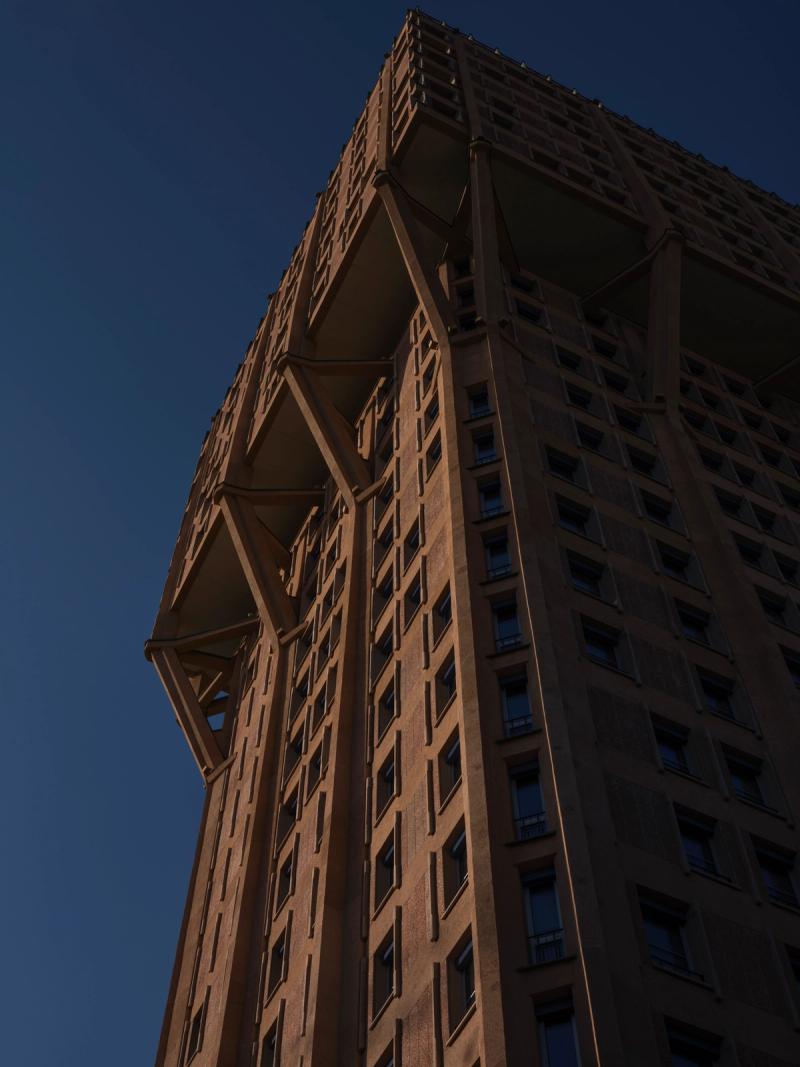
The exhibition Polish Modernism: The Struggle for Beauty, presented during Milan Design Week 2026, was recognized by The New York Times as one of the most compelling exhibitions of this year’s design fair. This marks another success for the Milan-based project organized by the Visteria Foundation, founded by Katarzyna Jordan. The exhibition attracted over 18,000 visitors, with queues forming outside the iconic Torre Velasca. It also drew the attention of major global media outlets, including La Repubblica and Wallpaper Magazine, while Dezeen listed it among the “must-see” events. In Warsaw, Polish Modernism: The Struggle for Beauty will be on view from September at Willa Gawrońskich.
Following a successful debut at Milan Design Week 2025 with the exhibition Romantic Brutalism: A Journey into Polish Craft and Design, dedicated to the heritage of Polish applied arts, the Visteria Foundation returned this year to the Lombard capital with a new exhibition titled Polish Modernism: The Struggle for Beauty. The show offers a multifaceted narrative of the movement, juxtaposing historical works with contemporary pieces, revealing how strongly modernist ideas continue to shape Polish design culture. The exhibition is curated by Federica Sala, an independent expert collaborating with leading international institutions and a member of the Visteria Foundation’s Program Council, and Anna Maga, curator of the Polish Design Gallery at the National Museum in Warsaw.
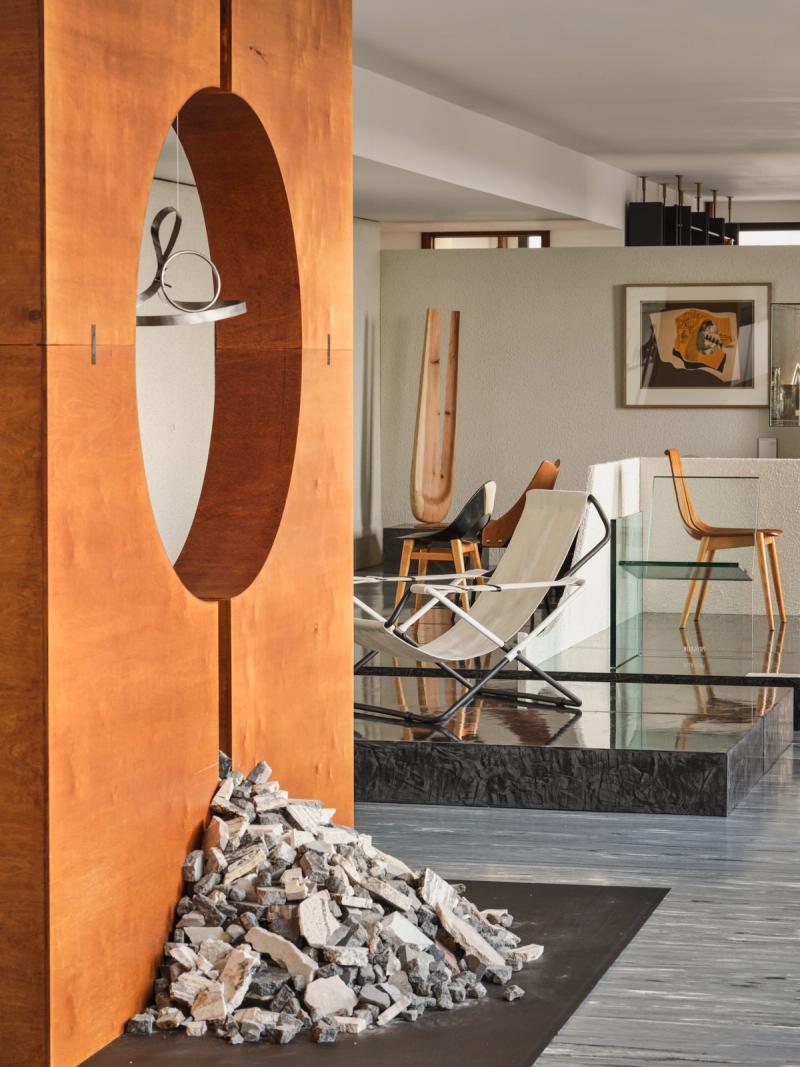
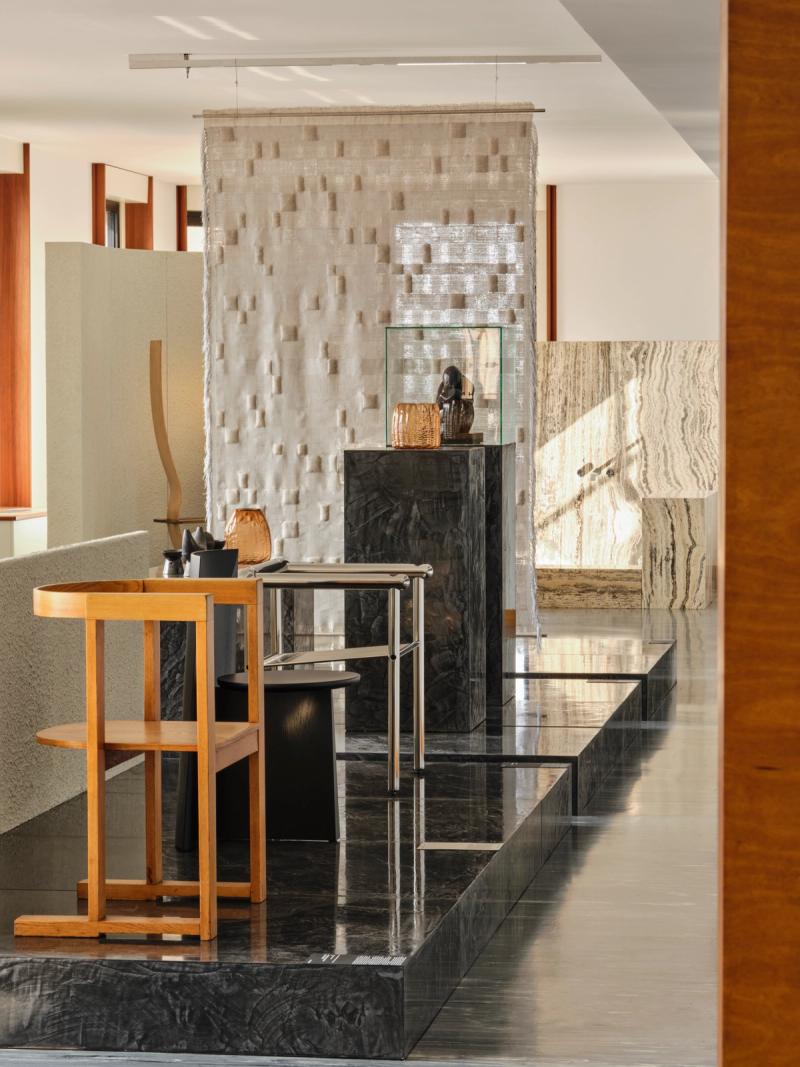
Staged on the 16th floor of the legendary Torre Velasca—a symbol of postwar modernity—the exhibition explores how Poland’s turbulent history gave rise to a unique form of modernism, in which decorative arts retained a central role rather than yielding entirely to the traditional dichotomy of form and function. As suggested by the exhibition’s title, referencing a 1948 text by Irena Krzywicka, this local modernism fiercely “fought for beauty”—understood not only as aesthetic refinement, but also as a bold act of cultural resistance by a nation shaping its identity through art, literature, architecture, and design.
“Polish modernism has always fascinated me with its courage,” says Katarzyna Jordan. “As Irena Krzywicka wrote, it ‘emerged from scarcity—from linen, hemp, wood shavings, sometimes even scraps—yet aspired to European standards. It’s an extraordinary lesson: talent and imagination can achieve more than raw materials.’ She adds: “In Milan, we are not presenting a style—we are presenting a way of thinking. In Poland, modernism was a systemic project, combining art, industry, and responsibility for everyday life. That’s why I see it not as nostalgia, but as a competence for the future.”
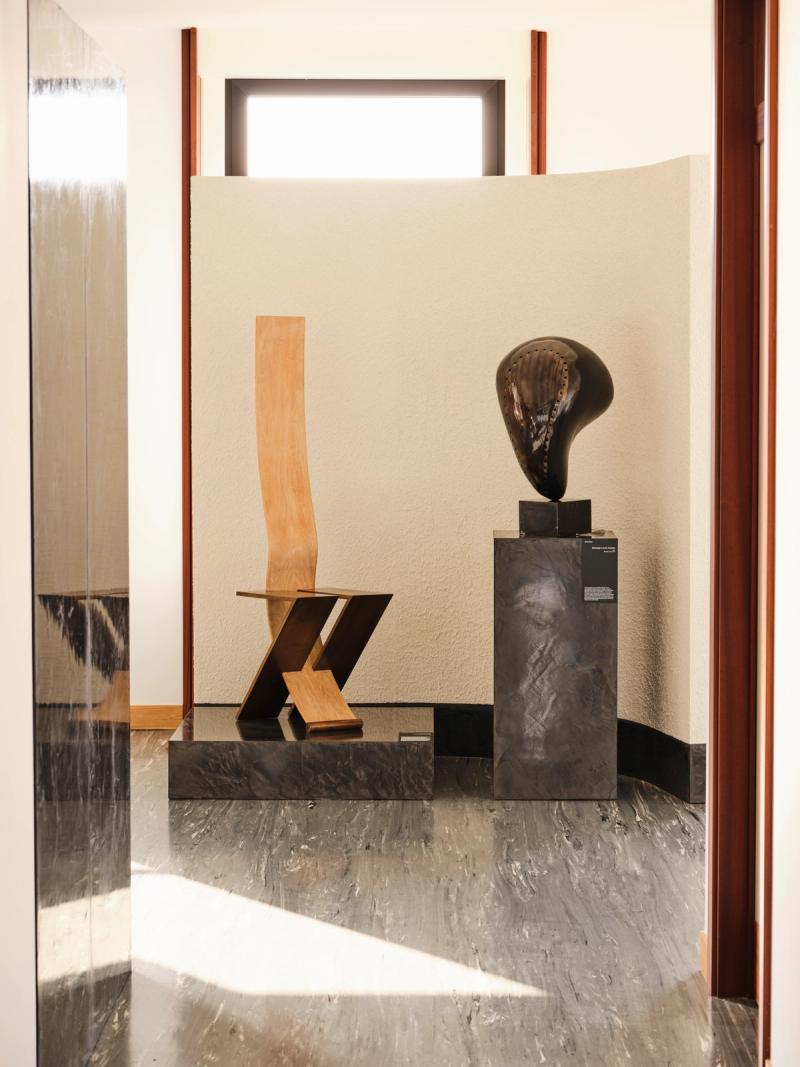
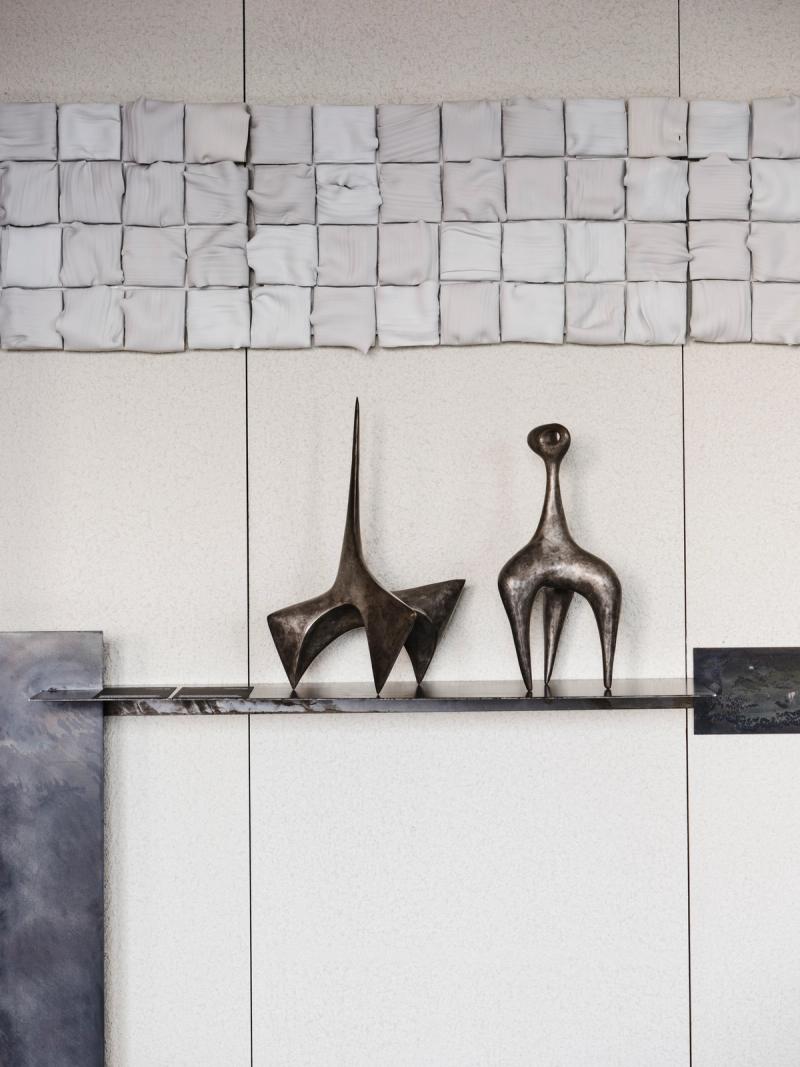
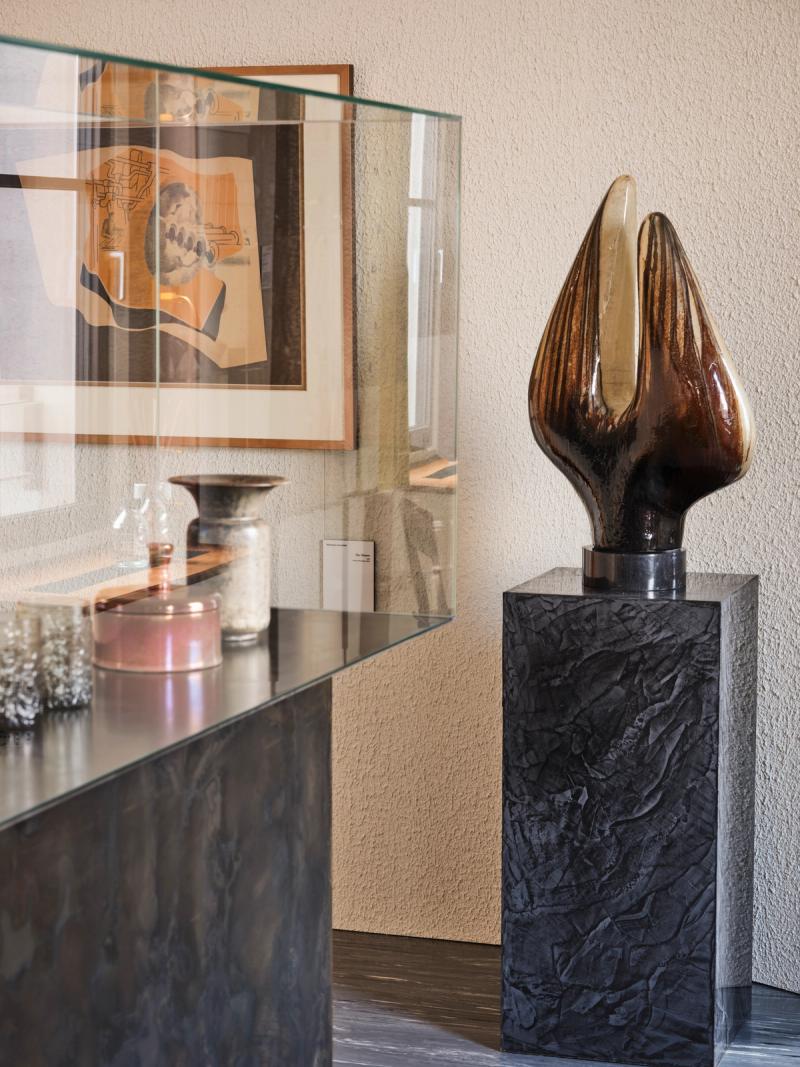
Alongside exceptional works on loan from the National Museum in Warsaw—including furniture by Jan Kurzątkowski, Bohdan Lachert, and Teresa Kruszewska—the exhibition also features works by contemporary designers influenced by modernist thinking, such as Mati Sipiora, Marek Bimer, Aleksandra Hyz, Monika Patuszyńska, and Małgorzata Markiewicz. Special commissions were created by designers including Tomek Rygalik, Maria Jeglińska-Adamczewska, Paweł Olszczyński, Igor Polasiak (Craftica Gallery), and Maja Ganszyniec.
The exhibition also includes a room curated by the Industrial Design Institute. Wzorcownia 2.0 is a project aimed at reviving iconic designs from its archives. Contemporary Polish designers were invited to reinterpret classic furniture types, such as the wall unit and the fold-out “American-style” armchair, giving them a modern dimension. These are not reconstructions, but research-driven prototypes that reveal the logic of modernist thinking, positioning Polish experimentation within the international debate on quality, design standards, and responsible production.
As with its previous edition, the Visteria Foundation exhibition is not an academic, chronological overview of modernism in Poland. Rather, it is an artistic statement, featuring a bold graphic spatial design by Zofia Wyganowska that engages in dialogue with the existing space and the heritage of Polish and Italian modernism. The display is complemented by artworks from renowned Polish artists such as Władysław Strzemiński, Edward Krasiński, and Katarzyna Kobro, with special emphasis on Kobro—one of her sculptures symbolically marks the exhibition entrance.
“Polish modernism was always more than a style,” explains Katarzyna Jordan. “It was a longing to be part of the mainstream of European art and architecture—a conversation from which we were too often excluded by history. Before the war, it meant reclaiming agency for a young state; after the war, it meant resisting isolation from the European exchange of ideas. Modernism was a form of quiet resistance—a proof that we think in the same terms as Paris or Milan, even if we work under very different conditions. That’s why presenting this exhibition in Milan is symbolic. It’s not a nostalgic return to the past, but the completion of a gesture—and its continuation. The ‘struggle for beauty’ was, in fact, a struggle for a place at the shared table. Today, we take that place not out of insecurity, but thanks to competence.”
“Modernism is a broad and often ambiguous term,” adds Anna Maga. “It is worth returning to its early 20th-century meaning, when it signified more than just a modern style. The geometrization and simplification of forms were not merely formal devices—they stemmed from innovative construction solutions and new technologies, and were meant to serve people. Modernism aimed to improve the quality of life. This ideal became a benchmark for good design, yet it could not lead to rigid stylistic canons. The balance between functional and formal values ultimately rested with the creator, which is why Polish modernism has taken on so many different forms. Throughout the 20th century, one can observe cyclical returns to its austere aesthetics, alternating with more ornamental tendencies.”
“What does modernity mean today,” asks Federica Sala, “in a world of rapid growth where production has turned into unsustainable overproduction? What are the needs of contemporary society? These are the questions driving the exhibition, which also explores whether decorative—and more broadly, applied—arts may now be the truest expression of modernity, precisely because they remain human, representing a space for spiritual, aesthetic, and material exploration free from the relentless demands of productivity.”
In September 2026, Polish Modernism: The Struggle for Beauty will be presented at the headquarters of the Visteria Foundation—Willa Gawrońskich.
All artists featured in the exhibition:
Agnieszka Bar, Marek Bimer, Maria Chomentowska, Jacek Damięcki, Maja Ganszyniec, Zbigniew Horbowy, Aleksandra Hyz, Paweł Jasiewicz (Craftica Gallery), Ania Jaworska, Maria Jeglińska-Adamczewska, Julia Keilowa, Katarzyna Kobro, Edward Krasiński, Teresa Kruszewska, Rudolf Krzywiec, Aleksander Kuczma, Jan Kurzątkowski, Bohdan Lachert, Małgorzata Markiewicz, Roman Modzelewski, Paweł Olszczyński, Alicja Patanowska, Monika Patuszyńska, Igor Polasiak (Craftica Gallery), Rest Studio, Tomek Rygalik, Wszewłod Sarnecki, Wiesław Sawczuk, Mati Sipiora, Władysław Strzemiński, Władysław Wincze, Wojciech Zamecznik.
Designers of Wzorcownia 2.0:
Jan Garncarek, Paweł Jasiewicz, Maria Jeglińska-Adamczewska, Katarzyna Kempa, Daniel Kraszewski, Danuta Paprowicz-Michno, Agnieszka Stefańska.
Institutional partners:
National Museum in Warsaw, Adam Mickiewicz Institute, Industrial Design Institute, Central Museum of Textiles in Łódź, Fundacja Polskiej Sztuki Nowoczesnej, DESA Unicum.
Exhibition partners:
Audi, Omnires, glo.
gallery